Find Yarders For Sale
Yarders use cable systems to move felled timber from the cutting area to a landing or collection point. They are particularly useful where steep slopes, wet ground, obstacles, or sensitive sites make conventional skidding difficult.
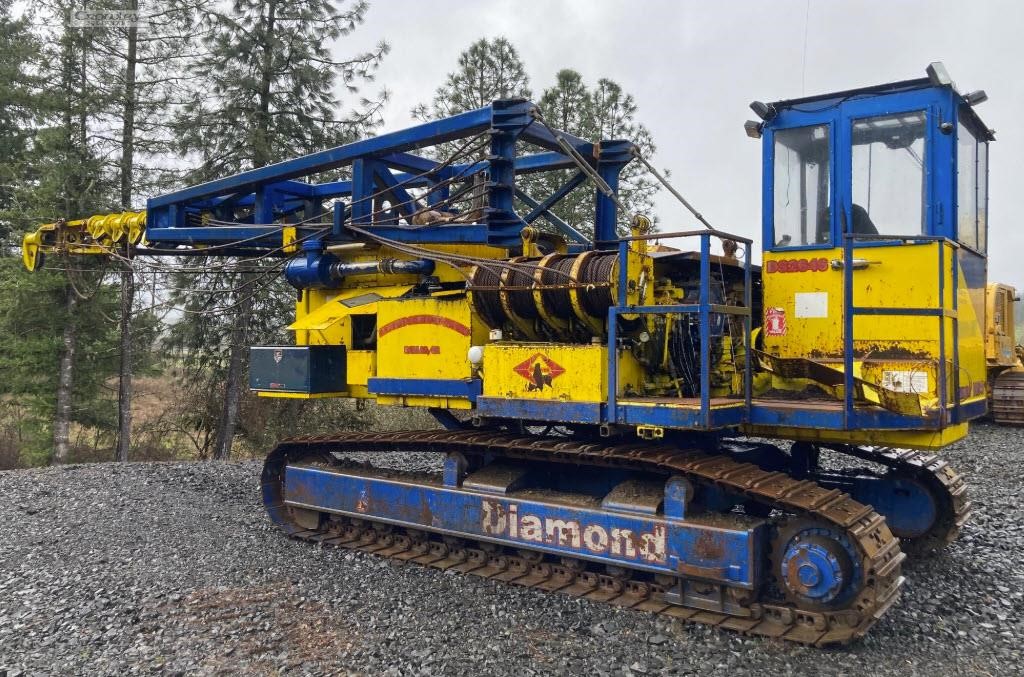
2008 Diamond DS2646 Yarder
Forestry contractors and timber operators can use yarders to limit machine travel across the extraction area while maintaining an organised flow of logs to the landing.
Buyers comparing yarders for sale should consider extraction distance, terrain, timber size, site access, and expected workload.
Yarder Benefits
- Cable extraction allows timber to be moved across steep or difficult ground where wheeled and tracked extraction machines may have limited access.
- Keeping the carrier at a landing or suitable operating position can reduce machine traffic through the harvesting area.
- Controlled extraction can help crews manage timber movement around slopes, waterways, obstacles, and sensitive ground.
- A correctly matched system can maintain a steady supply of timber to processing and loading areas.
Yarder Applications
- Extracting timber from steep commercial forestry sites in upland areas of the UK
- Moving felled trees across wet, uneven, or environmentally sensitive ground
- Supporting harvesting work where forestry roads provide access to landings but not directly to each cutting area
- Handling timber on woodland management, clear-felling, thinning, and difficult-access harvesting projects
Differentiating Features
- Winches, drums, cables, towers, and carriage systems distinguish yarders from ground-based skidders and forwarders.
- Mobile, tower, and other configurations provide different options for positioning and setting up the extraction line.
- Multiple cable arrangements can support different extraction directions, terrain profiles, and timber-handling methods.
- Carrier and undercarriage designs affect transport, setup, stability, and movement between harvesting sites.
How To Buy The Right Yarder
- Assess extraction distance. Compare the cable system and working arrangement with the typical distance between your cutting areas and timber landings.
- Study the terrain. Consider slope, ground conditions, obstacles, access roads, and suitable setup positions before choosing a machine configuration.
- Match timber requirements. Review the expected tree size, extraction volume, and harvesting method so the yarder fits the workload and supporting equipment.
- Plan transport and setup. Check machine dimensions, carrier type, site access, and setup needs when moving between forestry projects.
- Inspect used equipment. When comparing used yarders for sale, examine cables, winches, drums, tower components, hydraulics, controls, structural condition, and available service records.
Top Yarder Manufacturers
Buyers can compare new and used yarder listings from Berger, Caterpillar, Deere, Diamond, Diamond MFG, Madill, Skagit, Thunderbird, and other manufacturers, comparing condition, cable configurations, carrier designs, and suitability for planned forestry work.
Find More Yarders For Sale
Explore yarders for sale on MachineryTrader.co.uk to review equipment offered by dealers and individual sellers. Contractors, forestry companies, and other buyers can compare machine condition, extraction systems, operating configurations, and site suitability when selecting equipment for current contracts or seasonal harvesting work.


